

Did you know temperatures in Morocco can soar to over 110°F during summer months? Planning the best time to visit Morocco can make the difference between an enjoyable adventure and a challenging endurance test.
Generally, spring (mid-March to May) or fall (September to October) offer the most pleasant weather for exploring this diverse country. During these periods, you’ll experience warm, comfortable temperatures without the scorching heat of summer or the occasional snow of winter. While April and May are widely considered the best time of year to visit Morocco for comfortable temperatures, September stands out as the best month to visit Morocco if you’re looking to balance good weather with fewer crowds.
When to visit Morocco ultimately depends on your travel priorities. The mild months from October to April attract tourists from the northern hemisphere, however, each season offers unique experiences. If you’re drawn to coastal areas, water temperatures in northern Morocco reach a perfect 77°F in August, while May and October provide comfortable conditions for exploring Morocco’s portion of the Sahara Desert. Throughout this guide, you’ll discover exactly when to plan your Moroccan adventure based on your preferences for weather, festivals, and regional attractions.
How Morocco’s Climate Changes Through the Year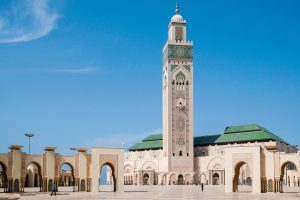
Morocco boasts a remarkably diverse climate that varies dramatically throughout the year. Unlike many North African countries, Morocco experiences four distinct seasons that transform the landscape and create unique travel opportunities across different regions.
Overview of Morocco’s four seasons
Winter in Morocco (December-February) brings cooler temperatures nationwide, although rarely extreme. Along the Atlantic coast, cities like Casablanca maintain mild daytime temperatures around 62-68°F, with nights dropping to the mid-40s. The Atlas Mountains become truly wintry, often receiving substantial snowfall, particularly in January. Ski resorts near Marrakech even offer skiing opportunities, something many travelers don’t associate with North Africa.
Spring arrives by early March, transforming the countryside with wildflowers and almond blossoms. Temperatures begin their upward climb, reaching pleasant ranges of 70-75°F in most regions by April. This season delivers the perfect balance of warmth without the intense summer heat, making it ideal for exploring ancient medinas or hiking mountain trails.
Summer (June-August) brings heat that peaks in July and August. Inland cities such as Marrakech and Fez frequently experience temperatures exceeding 100°F. The humidity remains relatively low in these interior regions, although coastal areas might feel more muggy. Summer nights in the desert can surprisingly drop by 30-40 degrees, offering welcome relief after scorching days.
Fall (September-November) mirrors spring’s comfortable climate, with gradually cooling temperatures and occasional rainfall that revitalizes the landscape. October provides particularly pleasant conditions nationwide, with fewer tourists than the spring peak season.
Regional climate differences: coast, desert, mountains
Morocco’s geography creates dramatic climate variations across relatively short distances. The Atlantic coastline benefits from cooling ocean breezes year-round, keeping cities like Essaouira and Rabat significantly cooler than inland locations, especially in summer. These coastal areas rarely experience temperature extremes, maintaining a Mediterranean-like climate.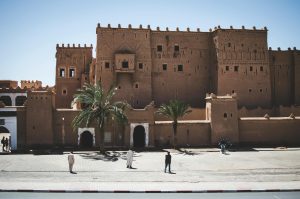

Meanwhile, the Sahara Desert region presents an entirely different climate story. Cities like Merzouga and Zagora experience scorching summer temperatures often exceeding 115°F. Desert nights become surprisingly cold, especially in winter months, sometimes approaching freezing.
The Atlas Mountains function as Morocco’s climate divider, creating a rain shadow effect that contributes to the desert conditions beyond. These mountains themselves offer a cool escape from summer heat, with temperatures decreasing approximately 5°F for every 1,000 feet of elevation. Mountain towns like Ifrane maintain such cool temperatures that they’re nicknamed “Little Switzerland,” occasionally receiving winter snowfall that transforms them into winter wonderlands.
This geographical diversity explains why the best time to visit Morocco depends entirely on which regions you plan to explore.
Weather in Morocco in January
January marks the heart of winter in Morocco, yet offers a distinctly milder experience than winter in Europe or North America. Despite being the coldest month of the year in Morocco, January presents a perfect opportunity for travelers seeking authentic experiences without fighting through crowds of tourists.
Cool temperatures and fewer tourists
Average daily temperatures in January typically range from 8-18°C (45-68°F), though this varies significantly by region. The days generally remain sunny and pleasant with approximately 6-7 hours of sunshine daily, making outdoor exploration entirely feasible. Coastal cities like Casablanca and Rabat maintain milder conditions with temperatures between 11-15°C (52-59°F), whereas inland areas experience cooler nights dropping to 5-9°C (41-48°F).
Rainfall remains relatively modest throughout most regions, with many areas receiving less than 30mm (1.2 inches) of precipitation. This rainfall typically occurs as occasional showers rather than persistent downpours, allowing plenty of time for sightseeing.
One major advantage of visiting Morocco in January is the notable absence of crowds. Most tourists have departed after the holiday season, consequently giving you better access to popular attractions without the usual wait times. Moreover, many accommodations offer significantly lower rates during this period, making it an economical time to experience Morocco’s treasures.
Best places to visit in January
Southern Morocco proves particularly appealing in January, as temperatures remain more moderate than in northern regions. Cities like Marrakech enjoy daytime highs around 66°F (19°C), perfect for exploring the medinas without summer’s oppressive heat.
The Sahara Desert becomes remarkably accessible in January. The cooler temperatures create ideal conditions for desert excursions without the extreme heat that characterizes other seasons. Similarly, the High Atlas Mountains offer extraordinary views with snow-capped peaks contrasting against clear blue skies – though trails above 2,500m may become impassable due to weather conditions.
For warmer experiences, head toward coastal towns like Essaouira or Agadir, where Atlantic influences create milder conditions. These coastal areas typically enjoy temperatures several degrees warmer than inland locations.
What to pack for winter travel
Packing for Morocco in January requires thoughtful preparation:
- Layers are essential: Mornings and evenings feel quite chilly, yet afternoons often warm considerably
- Bring lightweight, easily layered clothing rather than bulky sweaters
- Pack a warm jacket for evenings when temperatures can drop significantly
- Include a warm scarf or beanie for cool nights
- Comfortable walking shoes plus hiking boots if visiting mountains
- Rain protection (light raincoat or umbrella) for occasional showers
Remember that most Moroccan accommodations lack central heating, making warm sleepwear and an extra blanket worthwhile additions to your luggage. Additionally, a reusable water bottle helps reduce plastic waste from purchasing bottled water.
Visiting Morocco in February
February signals the transition from winter to spring across Morocco, creating an enticing opportunity for travelers seeking both seasonal variety and fewer crowds. As winter starts giving way to upcoming spring, you’ll find Morocco gradually waking from its winter slumber.
Mild weather and early spring signs
February strikes a perfect balance between manageable weather and lighter tourist traffic, offering cost-effective travel options throughout the country. Northern Morocco enjoys comfortably cool conditions with daytime temperatures typically reaching 16-19°C (61-66°F) in cities like Tangier and Chefchaouen. The central regions including Marrakech and Casablanca experience slightly warmer days averaging 17-20°C (63-68°F), making them ideal for cultural exploration without summer’s heat.
In southern coastal areas like Agadir, February brings pleasant daytime temperatures ranging from 18-24°C (64-75°F). Furthermore, most regions experience significantly less rainfall compared to January, with precipitation typically occurring only every 3-4 days. Nonetheless, prepare for occasional morning fog along coastal areas that usually clears by afternoon.
Almond Blossom Festival in Tafraoute
One of February’s most captivating experiences is the Almond Blossom Festival in Tafraoute, traditionally held during the second week of February when almond trees reach their blossoming peak. This peaceful Berber village transforms completely as travelers arrive to witness the spectacle of delicate pink and white blossoms covering the surrounding orchards.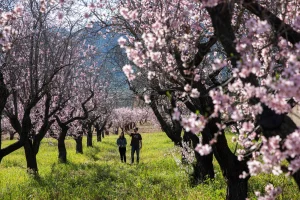
The festival, celebrated amidst Roman ruins encircled by blossoming trees, features traditional Berber folklore, dance performances, and music that connects deeply to Moroccan cultural heritage. Local vendors showcase various almond products while offering authentic Moroccan cuisine accompanied by mint tea. As night falls, the ruins are illuminated, creating a magical atmosphere for performances that blend seamlessly with the natural surroundings.
Trekking opportunities in the Atlas Mountains
February presents excellent conditions for adventure seekers heading to the Atlas Mountains. At lower elevations, daytime temperatures reach 12-15°C (54-59°F), providing refreshing conditions for hiking. Higher altitudes remain considerably cooler with snow-capped peaks creating dramatic landscapes.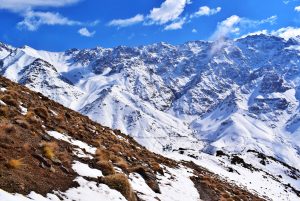
The High Atlas offers exceptional winter trekking routes with crisp, clear sunny skies and snow-covered mountain tops. For experienced mountaineers, climbing Mount Toubkal (North Africa’s highest peak at 4,167m) becomes a thrilling winter challenge requiring crampons and proper equipment. Alternatively, the Anti-Atlas
region provides milder conditions perfect for less strenuous hikes.
Even though February brings snow to higher elevations, many trails remain accessible, offering serene experiences with dramatically fewer fellow hikers than during peak seasons. The Ouirgane National Park and
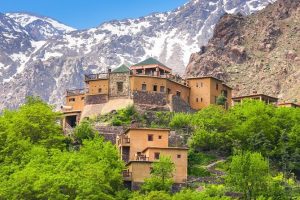
Azzaden Valley routes typically stay below the snow line where weather remains warm and sunny with stunning views of snow-capped peaks.
Weather in Morocco in March
March heralds the arrival of spring in Morocco, transforming landscapes and creating one of the most appealing times to experience this North African gem. With winter’s chill receding, the country enters what many consider the best time to visit Morocco.
Spring begins: flowers and festivals
Throughout the country, temperatures begin their gradual climb as March progresses. In Marrakech, daytime highs reach around 22°C (72°F) with pleasantly cool evenings. Fes experiences similar warming, averaging 18°C (64°F). The Sahara Desert becomes increasingly comfortable, with daytime temperatures climbing to approximately 25°C (77°F), making it an excellent time for desert excursions. Coastal cities enjoy moderate temperatures ideal for beachside activities.
March typically sees less rainfall than winter months, creating perfect conditions for exploring Morocco’s outdoor attractions. As the landscape transitions, wildflowers and greenery emerge, painting the countryside with vibrant colors. This seasonal awakening makes March particularly appealing for nature enthusiasts seeking to witness Morocco in bloom.
International Nomad Festival in M’Hamid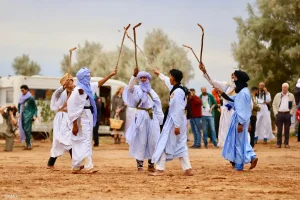
Beyond weather considerations, March marks the beginning of Morocco’s festival season. Most notably, the International Nomads Festival takes place in M’Hamid El Ghizlane, a small village that serves as the gateway to the Sahara Desert. This three-day cultural celebration highlights the rich heritage of nomadic communities.
The festival features a diverse program including traditional music performances, camel races, nomadic sports competitions, and cultural exhibitions showcasing traditional crafts. Attendees can experience authentic Saharan culture through demonstrations of sand bread making and nomadic tent construction. Additionally, the event hosts conferences and discussions on environmental preservation and sustainable development in arid regions.
For travelers interested in genuine cultural immersion, this festival provides unparalleled insights into nomadic traditions that are increasingly threatened by societal changes and climate shifts. The event attracts both local and international visitors, creating a unique atmosphere reminiscent of the early 1970s hippie era.
Marruecos4u Experience: Our “Nomadic Heritage” package includes festival access, comfortable desert camps, and local expert guides who share authentic stories of Saharan life.
Ideal for city exploration
Given these conditions, March presents the perfect opportunity for exploring Morocco’s legendary cities. The comfortable temperatures allow for extended walking tours through ancient medinas without the exhaustion that summer heat brings. Marrakech, with its historic palaces and vibrant markets, becomes particularly accessible.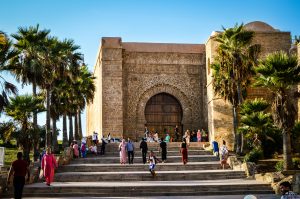
The Atlas Mountains offer ideal hiking conditions in March as snow begins melting at lower elevations. This creates perfect opportunities for outdoor adventures while still enjoying impressive views of snow-capped peaks at higher altitudes.
Since March falls just before peak tourist season, you’ll encounter fewer crowds at major attractions compared to April and May. This relative tranquility allows for more authentic experiences and potentially better deals on accommodations. Nevertheless, popular destinations remain lively enough to maintain their characteristic energy and charm.
Why April Is a Popular Month to Visit
Many travelers consider April the sweet spot in Morocco’s travel calendar, combining comfortable temperatures with vibrant cultural experiences. This month offers a perfect balance of pleasant weather and enriching activities across the country.
Perfect for hiking and sightseeing
April presents ideal conditions for exploring Morocco’s diverse landscapes. In the Atlas Mountains, mild temperatures create perfect hiking weather, with minimal rainfall and comfortable daytime ranges in the 60s Fahrenheit. The Three Valley Trek becomes especially rewarding as you journey past waterfalls and through the peaceful Valley of Ait Mizan. The High Atlas maintains snow only on its highest peaks, yet the surrounding countryside transforms into verdant forests and fields ablaze with wildflowers.
Cities like Marrakesh enjoy daytime temperatures in the 70s Fahrenheit in April, making urban exploration comfortable without summer’s exhausting heat. As spring develops fully, the landscape creates a photographer’s paradise with dramatic mountain backdrops against blooming valleys.
Sufi Festival in Fes
Undoubtedly, one of April’s cultural highlights is the Sufi Music and Cultural Festival in Fes. This eight-day celebration honors Sufi music and spirituality, bringing together religious leaders and artists from around the world. The festival features:
- Ritual performances known as “samaa” evenings filled with chanting and dance
- Morning poetry readings, films, and oriental art exhibitions
- Workshops and discussions on Sufism’s relationship with human development
The festival creates a unique opportunity to witness Morocco’s spiritual heritage and discover a peaceful side of Islam often misunderstood. Many performances become so engaging that audience members stand from their seats, swaying to the spiritual music and sometimes falling into a trance-like state.
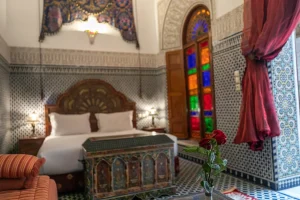
Marruecos4u Special: Our “Spiritual Journey” April packages include festival VIP access and stays in charming traditional riads in Fes’s medina.
Ramadan considerations (if applicable)
Important to realize is that occasionally Ramadan falls in April, which brings a different dimension to your travel experience. In the event that your visit coincides with this holy month, expect a slower daytime pace as Muslims fast from sunrise to sunset. Many b
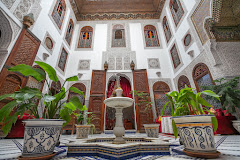
usinesses, including shops and tourist attractions, might operate on adjusted schedules.
Despite these adjustments, visiting during Ramadan offers unique cultural insights. After sunset, cities come alive with festive gatherings, special foods, and vibrant nightlife. For the culturally curious traveler, this might actually enhance your experience rather than detract from it.
Above all, April combines Morocco’s most appealing elements—pleasant weather, cultural richness, and natural beauty—making it one of the best times of year to visit Morocco for travelers seeking an authentic and comfortable experience.
Best Time to Go to Morocco in May
With its fragrant blossoms and perfect temperatures, May emerges as an exceptional time for exploring Morocco’s diverse landscapes. From flower-filled valleys to desert expanses, this month offers unique experiences before summer’s intense heat arrives.
Festival of Roses in M’Goun Valley
The crown jewel of May in Morocco is undoubtedly the Festival of Roses, held in Kelaat M’Gouna (also spelled Kalaat M’Gouna) in the picturesque M’Goun Valley. This colorful celebration typically takes place in mid-May, coinciding with the harvest of fragrant Damascus rosebuds used to produce valuable rose water and oils. The exact dates vary based on the harvest, usually spanning a weekend from Friday to Sunday.
During this vibrant festival, the small town’s population doubles as visitors flock to experience:
- The coronation of the Rose Queen, a central highlight of the celebrations
- Elaborate street processions featuring floats adorned with blossoms
- Local market stalls selling rose water, essential oils, handmade soaps, and dried petals
For the full experience, arrive early in the morning to explore the rose fields while the scent is most intense, then witness the fascinating process at local distilleries where tons of petals yield just a few liters of precious rose oil.
Warm but not too hot for desert travel
May presents ideal conditions for exploring Morocco’s diverse regions before summer’s scorching temperatures arrive. In the Atlas Mountains, comfortable daytime temperatures hover around 22°C (72°F), perfect for trekking adventures. Meanwhile, Marrakech experiences warmer conditions with temperatures often reaching the high 20s to low 30s°C (upper 80s°F).
Southern regions take on a distinctly summery character, certainly pleasant for those seeking early beach vacations. Primarily for desert travelers, May offers the final opportunity to comfortably explore the Sahara before summer heat makes such journeys challenging. Subsequently, it’s advisable to schedule desert excursions early in your May itinerary when temperatures remain more moderate.
Crowds begin to increase
Regardless of its perfect weather balance, May has become exceptionally popular among travelers. Major attractions, essentially those in Marrakech and Fes, experience significant tourist traffic, particularly on weekends. This popularity extends to accommodations, with preferred hotels booking up quickly and prices trending upward compared to earlier months.
For those planning to attend the Festival of Roses, securing lodging well in advance is absolutely necessary, especially in or around Kalaat M’Gouna, Dades, and Todra Gorges. Overall, May requires thoughtful planning, but the rewards of perfect weather and unique cultural experiences make it well worth the effort.
What to Expect in Morocco in June
June signals the beginning of Morocco’s true summer, marking a significant shift in tourism patterns across the country. As travelers adjust their plans to accommodate rising temperatures, June offers unique experiences and attractions for those who know where to go.
Start of summer heat
June brings a notable increase in temperatures throughout Morocco, with inland cities feeling the change most intensely. Marrakech experiences daytime highs averaging around 32°C (90°F), henceforth making midday exploration increasingly challenging. Fes likewise sees temperatures climbing to approximately 27°C (81°F). The Sahara Desert becomes particularly hot, with daytime readings reaching about 38°C (100°F), making desert excursions less advisable except during early morning or evening hours.
Correspondingly, June marks the beginning of Morocco’s dry season. Rainfall becomes rare throughout the country, typically occurring as brief, sporadic showers that rarely disrupt travel plans. The abundant sunshine—approximately 10 hours daily—creates perfect conditions for outdoor activities in the right locations.
Gnaoua Music Festival in Essaouira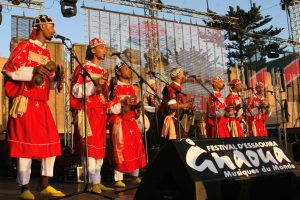
The undeniable highlight of June in Morocco is the Gnaoua World Music Festival in Essaouira. This vibrant three-day celebration attracts up to 500,000 visitors annually, transforming the seaside town into a cultural melting pot. The festival celebrates the musical traditions of the Gnaoua people, descendants of West African enslaved people brought to Morocco between the 16th and 17th centuries.Beyond traditional Gnaoua performances, the festival features an exciting fusion with jazz, blues, and contemporary music. With performances across multiple stages, including free concerts at places like Moulay Hassan square, this festival offers an extraordinary cultural immersion coupled with the cooling benefit of coastal breezes.
Best for coastal travel
Given the rising inland temperatures, June presents an ideal opportunity for exploring Morocco’s breathtaking coastline. Atlantic coastal cities like Essaouira, Agadir, and Asilah benefit from refreshing ocean breezes that maintain comfortable conditions. These destinations offer perfect beach weather with sea temperatures ranging between 19°C (66°F), making them excellent choices for swimming and water activities.
For those still wanting cultural experiences, northern cities like Tangier and Rabat maintain milder June temperatures, making them worthwhile alternatives to hotter inland destinations. The Rif Mountains likewise offer pleasant hiking conditions, with comfortable temperatures in the mid-to-high 20s°C (high 70s°F) providing a welcome retreat from summer’s advancing heat.
Traveling to Morocco in July
July represents the peak of summer heat in Morocco, attracting a unique blend of heat-tolerant travelers and festival enthusiasts. Despite the soaring temperatures, this month remains a popular time for European summer vacationers.
Hottest month of the year
In July, inland temperatures frequently soar above 38°C (100°F), creating challenging conditions for sightseeing. Cities like Marrakesh can feel particularly stifling as you venture further from the coast. Accordingly, many travelers shift their focus to Morocco’s Atlantic shoreline, where cooling sea breezes and occasional coastal fog maintain more comfortable temperatures around 27°C (80°F).
The desert regions become exceptionally hot during this period, often reaching temperatures that make daytime exploration inadvisable. In contrast, northern cities like Tangier and Tetouan maintain relatively milder conditions, typically ranging from 20°C to 35°C (68°F to 95°F).
Jazzablanca and Mawazine festivals
Indeed, July’s cultural calendar offers compelling reasons to brave the heat. The Jazzablanca festival transforms Casablanca into a musical haven from July 3-12, featuring ten days of spectacular performances across multiple venues. This celebrated event showcases jazz, funk, soul, and world music in an atmospheric setting under palm trees at Anfa Park.
In fact, Rabat’s Mawazine Festival (typically held in late June) occasionally extends into early July, ranking among the world’s largest music festivals with over 2.5 million attendees. These festivals provide excellent opportunities to experience Morocco’s vibrant cultural scene alongside international performances.
Tips for staying cool
Navigating Morocco in July requires strategic planning:
- Schedule outdoor activities during early morning or evening hours
- Seek accommodation with reliable air conditioning, ideally set to 24-25°C for optimal cooling
- Dress in loose-fitting, natural fabric clothing that covers exposed skin rather than revealing outfits
- Stay consistently hydrated throughout the day, even before feeling thirsty
- Follow local examples by taking afternoon rest periods during peak heat
- Consider spending more time in museums and other air-conditioned indoor spaces
For those determined to visit in July, coastal destinations like Essaouira offer perfect conditions for swimming and water activities with calmer, warmer ocean temperatures.
August in Morocco: Should You Go?
August stands as Morocco’s second-hottest month, offering a distinctly different travel experience depending on where you venture.
High heat and low crowds inland
Interior regions face extreme temperatures in August, often reaching 40°C (104°F). Cities like Marrakech become exceptionally hot with intense daytime heat, making midday exploration challenging. Yet this thermal intensity creates an unexpected advantage—significantly fewer tourists at major attractions, allowing for more authentic experiences without the usual crowds.
Best for beach destinations
Coastal regions offer welcome relief with refreshing sea breezes. Agadir becomes particularly appealing with pleasant weather and excellent beaches for sunbathing and water activities. The Atlantic coastline benefits from cooling ocean influences, creating comfortable conditions along the 1,200 miles of shoreline. Beach towns like Essaouira and Tangier maintain temperatures between 72°F to 98°F (22°C to 37°C), making them ideal August retreats.
Evening street life and local culture
As temperatures cool after sunset, Moroccan cities come alive with vibrant nightlife. In Agadir, bars along Avenue Oued Souss and Boulevard 20 Août offer authentic experiences with traditional cushioned seating areas. Many Moroccans vacation in August, bringing lively atmosphere to coastal towns. This creates unique opportunities to witness local culture firsthand as families enjoy their summer holidays together.
Why September Is the Best Month to Visit Morocco
As summer’s intensity fades and before autumn fully arrives, September emerges as the golden month for Moroccan travel. This transitional period offers exceptional advantages for visitors seeking authentic experiences with optimal conditions.
Perfect balance of weather and fewer crowds
September delivers ideal temperatures throughout Morocco. Marrakech cools to a pleasant 85°F (29°C), whereas coastal Casablanca enjoys refreshing 75°F (24°C) days. Northern cities benefit from Mediterranean breezes with temperatures averaging 26-28°C (79-82°F). Following summer’s tourist exodus, attractions become noticeably less crowded, creating more authentic experiences. This combination of mild weather and reduced visitor numbers makes September perfect for exploration without the inconvenience of peak season lines or summer’s oppressive heat.
Imilchil Marriage Festival
H
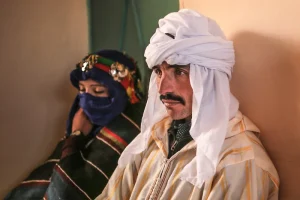
igh in the Atlas Mountains, the fascinating Imilchil Marriage Festival takes place each September. This unique cultural event brings together approximately 30,000 people from surrounding mountain tribes. Young Berbers meet potential spouses amidst traditional music, feasting, and ceremonial rituals. A highlight includes visiting Sidi Mohammad El Maghani’s tomb, whose blessings are sought for upcoming marriages. The festival originated from a legendary tale of star-crossed lovers whose tears created two nearby lakes.
Great for hiking and city tours
September’s mild daytime temperatures (20-28°C) and clear skies create ideal trekking conditions. Mountain evenings cool to 10-15°C, perfect for comfortable rest after adventure. Trails become less crowded, allowing for more meaningful interactions with local Berber communities. Plus, post-summer travel brings more affordable flights and accommodations, letting you experience Morocco’s treasures without breaking your budget.
October Travel in Morocco
October transforms Morocco into a traveler’s paradise as autumn fully settles in across the country. This transitional month offers the perfect mix of comfortable weather and cultural richness for those seeking authentic Moroccan experiences.
Cooler temperatures and harvest season
After summer’s departure, October brings refreshingly mild temperatures throughout Morocco. Marrakech enjoys pleasant daytime highs around 82°F (28°C) with comfortable evenings dipping to 60°F (16°F). Coastal areas maintain similar temperatures, creating ideal conditions for sightseeing without summer’s exhaustion. Throughout the country, October sees a subtle increase in rainfall compared to previous months, yet remains relatively dry. This slight moisture refreshes the landscape just as harvest season begins, with apple picking in the Atlas Mountains and date harvests in the southern regions.
Ideal for desert adventures
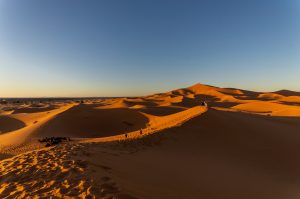
The Sahara Desert becomes particularly inviting in October as temperatures cool to the low 70s°F (low 20s°C). This makes it the perfect time for camel treks, desert camping, and dune exploration without extreme heat. Morning excursions prove most comfortable, letting you avoid the stronger afternoon sun. For photography enthusiasts, October’s clear skies create perfect lighting conditions for capturing the desert’s golden dunes.
Date festivals and cultural events
The highlight of October is undoubtedly the Erfoud Date Festival, a three-day celebration marking the annual date harvest. This colorful event features parades, traditional music, camel races, and the crowning of the “Date Queen”. Alternatively, the Taragalte Festival near M’Hamid celebrates nomadic culture with music, poetry readings, and discussions on peace and environmental protection.
November and December in Morocco
Winter unveils Morocco’s quieter side as November and December transform the country into a peaceful retreat from bustling tourist seasons.
Cooler days and festive vibes
November brings mild temperatures ranging from 15-21°C (59-68°F), creating pleasant conditions for exploration without summer’s heat. This month typically sees occasional rainfall, with precipitation expected about nine days out of the month. A highlight is Morocco’s Independence Day on November 18, featuring colorful festivals and parades nationwide. December offers even cooler weather with averages between 10-18°C (50-65°F), simultaneously maintaining abundant sunshine around 7-8 hours daily.
Sahara becomes more accessible
Winter presents the ideal time to experience the Sahara Desert. Daytime temperatures remain comfortably sunny and mild, yet nights become considerably chilly, occasionally dropping near freezing. This season allows all-day dune exploration without extreme heat. Afterward, bundle up for spectacular sunset views and star-filled skies. The desert’s crisp air creates excellent visibility and photographic conditions with snow-capped Atlas Mountains visible against clear blue skies.
Christmas and New Year travel tips
Ultimately, while Morocco doesn’t widely celebrate Christmas, larger cities offer festive decorations and special holiday meals. Book accommodations 6-8 months ahead as this marks high tourism season. For an unforgettable experience, consider New Year’s Eve under desert stars—a Moroccan tradition featuring traditional music, desert feasts, and midnight celebrations.
Conclusion
Morocco truly offers something magical throughout the year, making your travel decision dependent on personal preferences rather than a single “perfect” season. Spring blooms and comfortable temperatures make March through May excellent for most regions, while September emerges as perhaps the ultimate sweet spot – combining ideal weather with noticeably thinner crowds.
Throughout this guide, you’ve discovered how dramatically Morocco’s climate shifts across its diverse landscapes. Coastal areas remain pleasant even during summer months when inland cities swelter. The Atlas Mountains provide cool refuge during hot seasons yet transform into winter wonderlands from December through February. Meanwhile, the Sahara Desert becomes most accessible during spring and fall months when temperatures feel comfortable rather than extreme.
Beyond weather considerations, Morocco’s rich tapestry of festivals adds another dimension to your travel planning. From the Festival of Roses in May to the vibrant Gnaoua Festival along the coast in June, these cultural celebrations offer profound insights into Moroccan traditions.
Weather patterns, regional variations, and cultural events should shape your decision about when to visit. Adventure seekers might prefer spring hiking in the Atlas Mountains, while beach enthusiasts will undoubtedly enjoy summer along the Atlantic coast. Desert explorers should target October or April for the most comfortable Sahara experiences.
Remember that each season unveils a different side of Morocco’s character. Winter brings peaceful exploration with fewer tourists, whereas spring showcases the countryside in full bloom. Summer highlights coastal charm, while fall delivers that perfect balance of comfortable weather and authentic experiences.
Your perfect Moroccan adventure awaits – just choose the season that aligns best with your travel dreams and regional interests.